Palm Tree Removal in Reno, NV
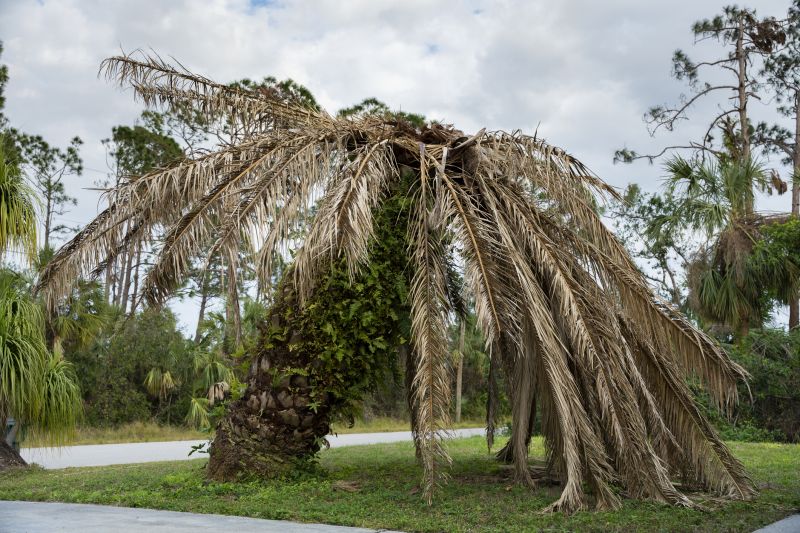
Palm tree removal services involve the safe and efficient removal of palm trees that are damaged, diseased, dead, or pose a hazard to property and safety. This process typically includes assessing the tree's condition, preparing the site, and carefully removing the tree while minimizing impact on surrounding landscaping. Projects can range from removing a single problematic palm to clearing multiple trees in preparation for construction or landscaping updates, helping property owners maintain a safe and attractive outdoor space.
Homeowners and property owners interested in palm tree removal often want to understand the scope of the work, including the potential impact on their property and any necessary cleanup afterward. It’s also helpful to know if permits are required and what the removal process entails, especially for larger or more complex projects. Proper planning and professional execution ensure the safe removal of palm trees while protecting nearby structures, utilities, and landscaping features.
Many property owners in Reno, NV look into Palm Tree Removal for repairs, replacements, upgrades, and appearance-related improvements.
Reasons For Palm Tree Removal
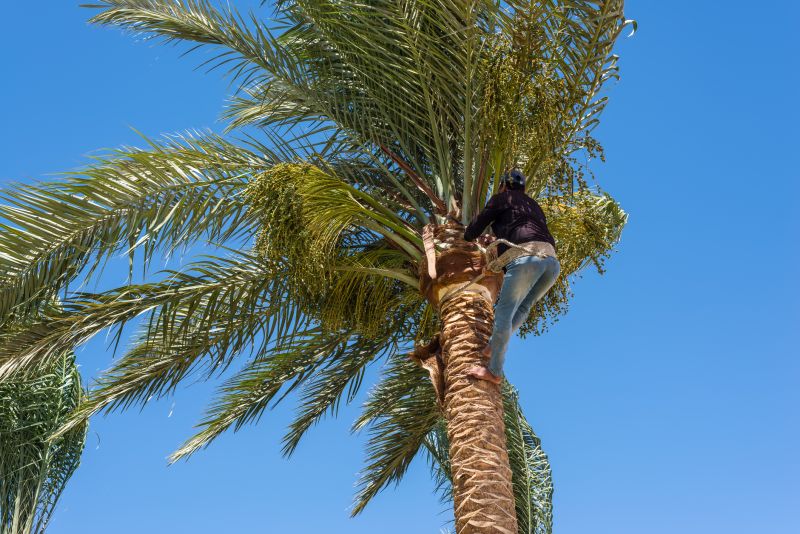
Removing damaged or diseased palms helps maintain property safety and aesthetics.
Safe Removal Techniques
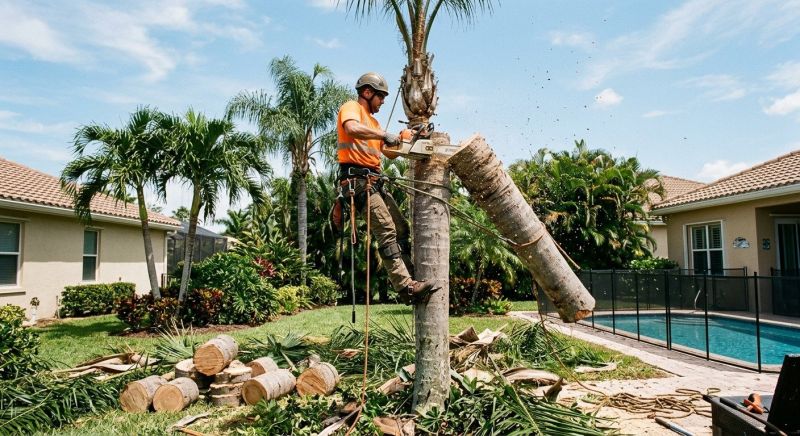
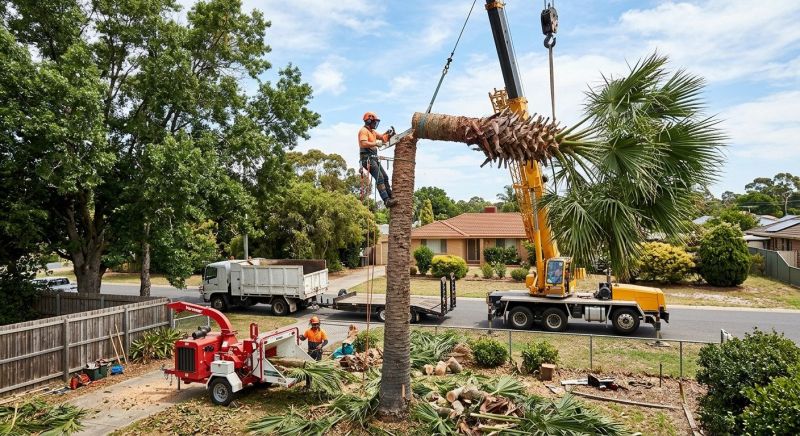
Proper equipment and procedures ensure the safe and efficient removal of palm trees.
Post-Removal Cleanup
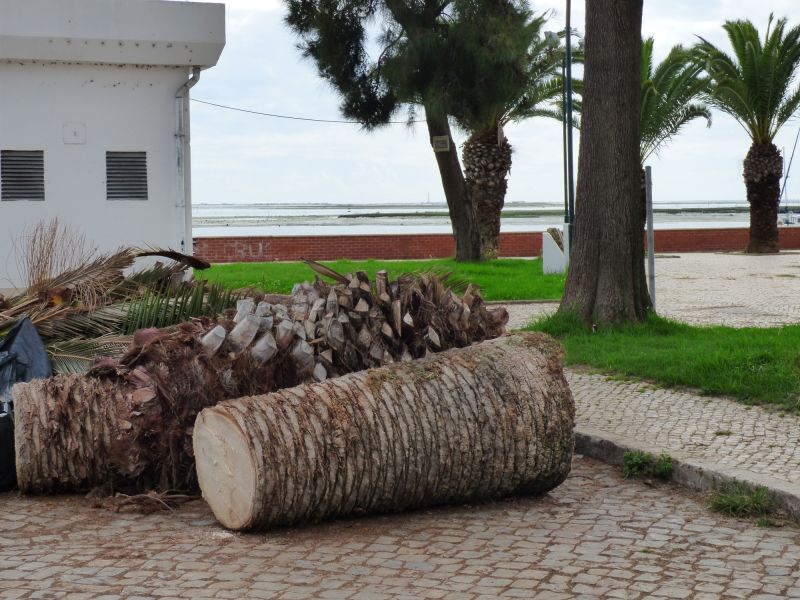
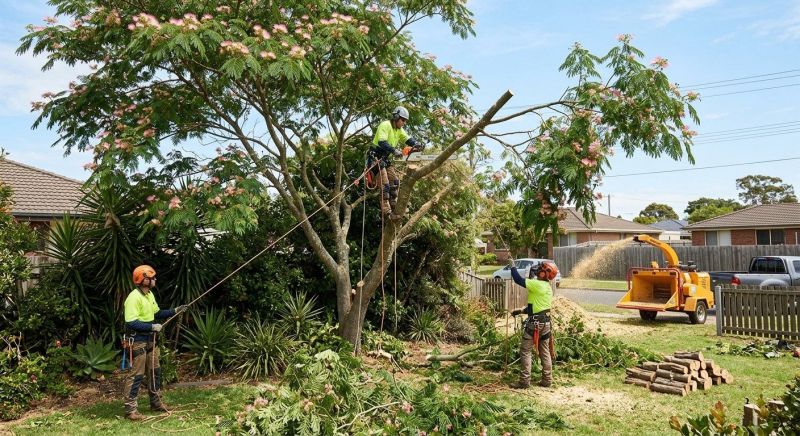
Clearing debris and stump grinding restore the landscape after palm tree removal.
Palm Tree Removal in Reno, NV
Palm tree removal services involve the safe and efficient removal of palm trees that are damaged, diseased, dead, or pose a hazard to property and safety. This process typically includes assessing the tree's condition, preparing the site, and carefully removing the tree while minimizing impact on surrounding landscaping. Projects can range from removing a single problematic palm to clearing multiple trees in preparation for construction or landscaping updates, helping property owners maintain a safe and attractive outdoor space.
Homeowners and property owners interested in palm tree removal often want to understand the scope of the work, including the potential impact on their property and any necessary cleanup afterward. It’s also helpful to know if permits are required and what the removal process entails, especially for larger or more complex projects. Proper planning and professional execution ensure the safe removal of palm trees while protecting nearby structures, utilities, and landscaping features.
Many property owners in Reno, NV look into Palm Tree Removal for repairs, replacements, upgrades, and appearance-related improvements.
Common Palm Tree Removal Jobs
Palms Removal - Safe removal of unwanted or damaged palm trees to improve landscape safety.
Stump Grinding - Complete stump removal to prevent regrowth and clear the area.
Tree Trimming - Pruning dead or overgrown fronds to maintain healthy palm trees.
Hazard Tree Removal - Removal of trees posing a risk to property or safety.
Partial Tree Removal - Selective removal of palm parts for aesthetic or health reasons.
Emergency Palm Tree Removal - Rapid response for storm-damaged or fallen palms.
Palm Tree Removal Questions
When is palm tree removal necessary? Removal is recommended when the tree is diseased, damaged, or poses a safety risk due to overgrowth or instability.
How are palm trees typically removed? The process involves cutting the fronds, trimming the trunk, and safely extracting the entire tree from the property.
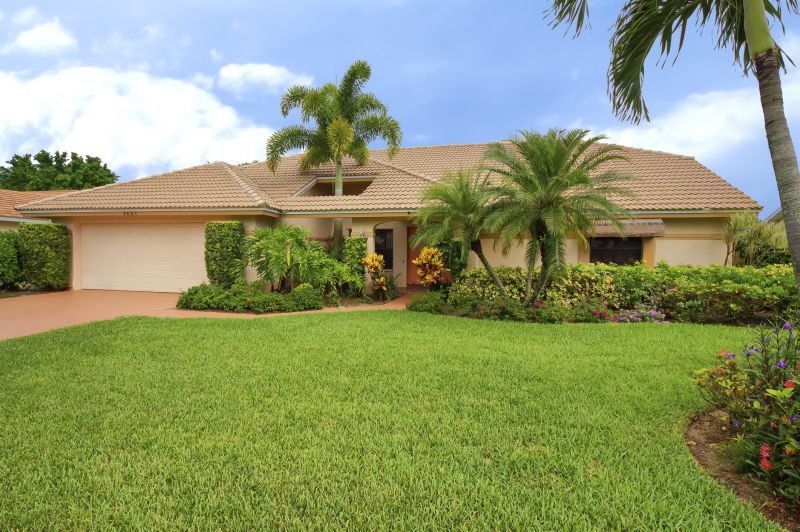
What should property owners consider before removing a palm tree? It's important to evaluate the tree's condition, location, and potential impact on surrounding structures or landscaping.
Are there any restrictions on palm tree removal? Local regulations or property restrictions may apply; checking with local authorities can clarify any necessary permits or guidelines.
Request Palm Tree Removal in Reno, NV
Use the quote form on this page to share the basics of your project and request more information for the type of work you need.